The work of Tomàs Gutiérrez Alea

Born in 1928 in Havana, Cuba, the place where he lived and died, the artist Tomás Gutiérrez Alea is remembered today as one of the most recognizable Cuban filmmakers of his time. After earning a degree in law at the University of Havana in 1951, Alea moved to Rome and studied film at Centro Sperimentale di Cinematografia, where he graduated in 1953; this is where many Cuban filmmakers studied before the existence of the Instituto Cubano del Arte e Industria Cinematográficos (ICAIC). Alea was the first Cuban director to be nominated for an Oscar, he was nominated for his film Strawberry and Chocolate (1993). Alea was very widely acclaimed for having written and directed over twenty films commenting on Cuban society, utilizing Third Cinema themes. 

Continue reading “The work of Tomàs Gutiérrez Alea”

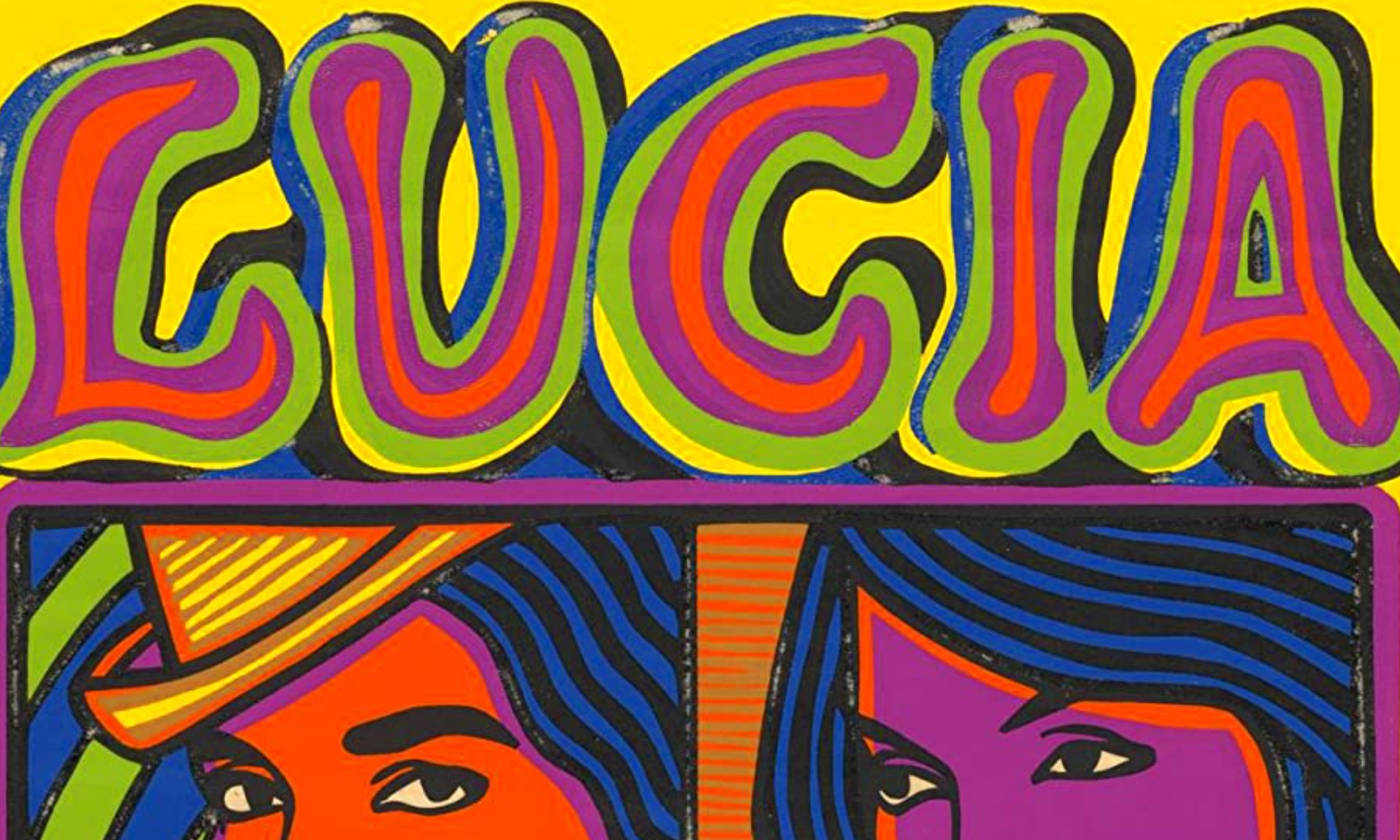
The triptych of Lucia

Lucia synopsis from Letterboxd: “In his award-winning film Lucía, Humberto Solás interpreted the theme of Cuba’s hundred years’ struggle in an entirely novel way to create an epic in three separate episodes, each centred around a woman called Lucía and each unfolding in a different period of Cuban history, corresponding to the three stages of colonialism (1895), neocolonialism (1930) and socialist revolution (1968). The three episodes also present us with ‘Lucías’ of different social classes. Solás described his film in this way: ‘The woman’s role always lays bare the contradictions of a period and makes them explicit: Lucía is not a film about women, it’s a film about society.’”

Continue reading “The triptych of Lucia”

Ghosted Lesbians in Rebecca and The Uninvited

The plot of both Rebecca (Alfred Hitchcock, 1940) and The Uninvited (Lewis Allen, 1944) contain references and themes of sex perversion, as analyzed by author Rhona J. Berenstein in Adaptation, Censorship, and Audiences of Questionable Type: Lesbian Sightings in “Rebecca” (1940) and “The Uninvited” (1944). Both of these films include the haunting by a lesbian-coded character on the living. Berenstein explores the idea that these characters, in these disembodied states, act as metaphors for lesbianism. Both of these films use ghost stories and hauntings to explore a narrative about female desire.

Continue reading “Ghosted Lesbians in Rebecca and The Uninvited”